Martin Luther (1483–1546) was a German Augustinian friar and professor at Wittenberg whose protest against indulgences — the Ninety-five Theses of 1517 — ignited the Protestant Reformation. Excommunicated and outlawed, he translated the New Testament into German and wrote treatises, hymns, catechisms, and commentaries that reshaped the Western church. Our library holds his Galatians commentary, A Treatise on Good Works, his sermons, and the Ninety-five Theses themselves.
Free: get it — here or in the Christian Classics app — and it's yours to read and listen to on every device you sign in to. About a tenth of it can be read here first, free.
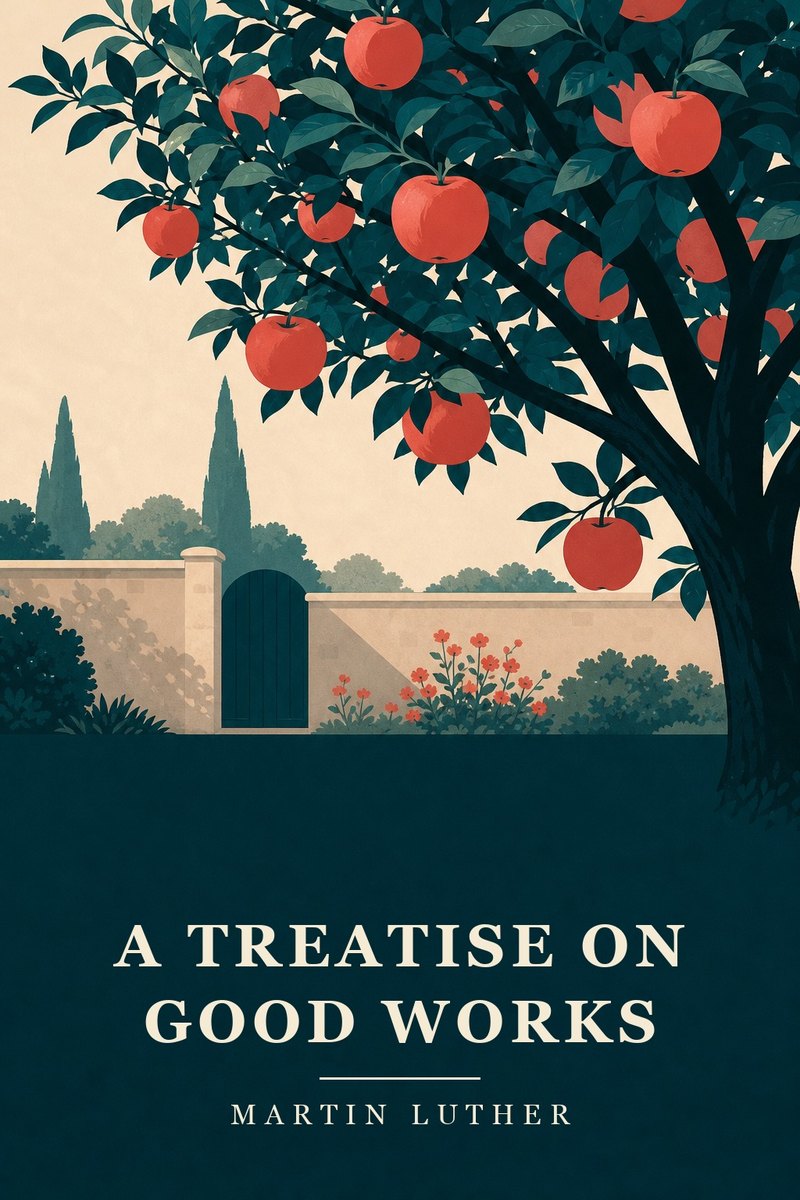
Martin Luther's treatise on good works, published in 1520, the year of his great Reformation writings. Luther works through the Ten Commandments, showing that the first and greatest work is faith in Christ, and that every true good work flows from it. A clear, pastoral statement of the Reformation's teaching: we are justified by faith, yet faith is never alone.