Pilgrim Library Christian Classics
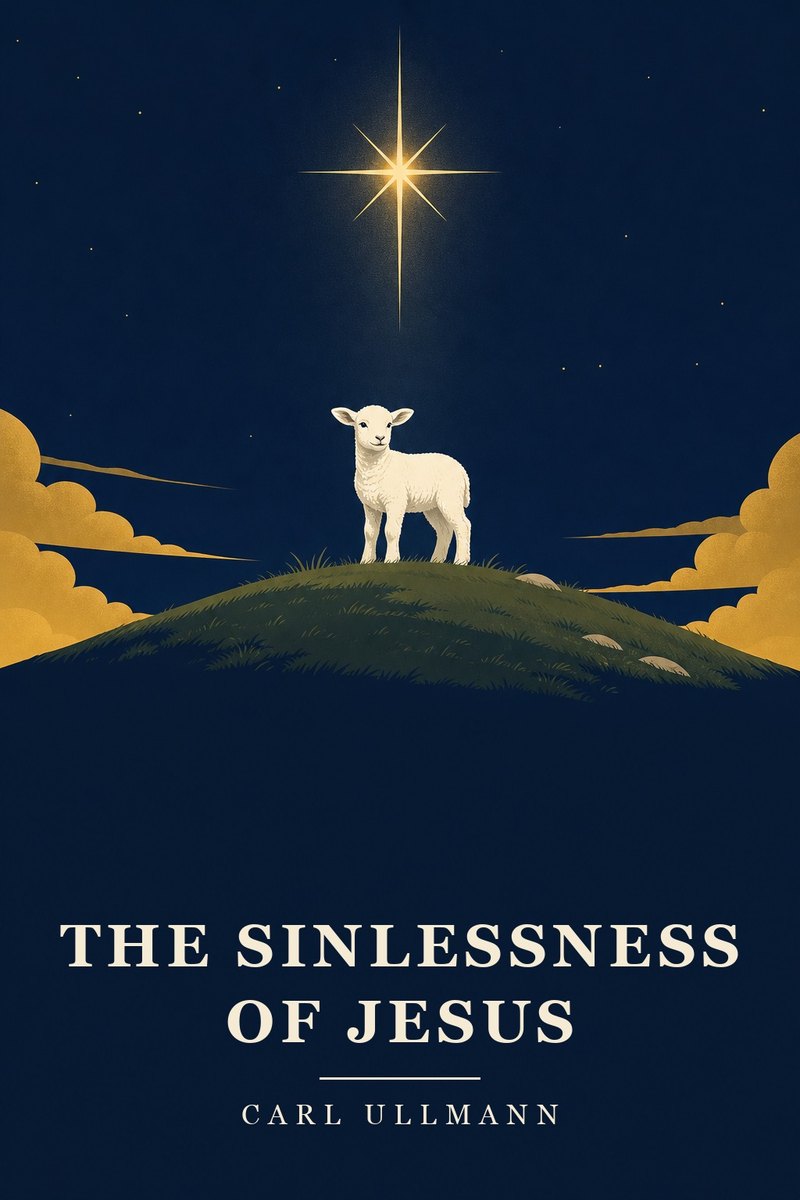
The Sinlessness of Jesus: An Evidence for Christianity

The Sinlessness of Jesus: An Evidence for Christianity

Carl Christian Ullmann (1796–1865) was a German Reformed theologian and a leading voice of the mediating school between orthodoxy and rationalism. He taught theology at Heidelberg and Halle and later served the Baden church as a senior official. His Reformers Before the Reformation recovered the witnesses who preceded Luther, and The Sinlessness of Jesus (English edition, 1858) — the work in our library — argued that Christ's sinless character is itself an evidence of Christianity.

Free

Free: get it — here or in the Christian Classics app — and it's yours to read and listen to on every device you sign in to. About a tenth of it can be read here first, free.

First published
1858
Category
Theology
Length
88k words · about 6 hours
Chapters
39

About this book

Carl Ullmann's apologetic study of the sinlessness of Jesus, presented in English translation in 1858. Ullmann examines the Gospel portrait of Christ's character and argues that His perfect holiness — His freedom from sin joined with true humanity — is itself an evidence for Christianity. The book was widely read in its day as a thoughtful answer to skeptical accounts of Jesus.

Contents

  1. Advertisement.
  2. From the Preface to the Sixth Edition.
  3. Preface to the Seventh Edition.
  4. Introduction
  5. Introduction.
  6. Chapter I. Of Sin. 🔒
  7. Chapter II. Of Sinlessness. 🔒
  8. Introduction. 🔒
  9. Sec. 1.—By Others. 🔒
  10. Sec. 2—The Testimony of Jesus to Himself. 🔒
  11. Chapter II. The Sinlessness of Christ Proved from the Effects Produced by His Manifestation. 🔒
  12. Sec. 1.—The New Life of Christianity in its Moral and Religious Aspects. 🔒
  13. Sec. 2.—Morality and Religion united in Holiness. 🔒
  14. Sec. 3—These Effects caused not by an Idea, but by an Actual Person. 🔒
  15. Introduction. 🔒
  16. Chapter I. Arguments Against the Actual Sinlessness of Jesus. 🔒
  17. Sec. 1—The Development of the Person of Jesus. 🔒
  18. Sec. 2.—The Development of the Messianic Plan. 🔒
  19. Sec. 3.—The Temptation. 🔒
  20. Sec. 4.—Other Acts and Expressions of Jesus, as Arguments against His Sinlessness. 🔒
  21. Introduction. 🔒
  22. Sec. 1.—Arguments drawn from Experience. 🔒
  23. Sec. 2.—Arguments drawn from the Nature of the Moral Idea. 🔒
  24. Introduction. 🔒
  25. Introduction. 🔒
  26. Sec. 1.—The Human Nature of Jesus. 🔒
  27. Sec. 2.—Inferences in respect to the Divine Nature of Jesus. 🔒
  28. Introduction. 🔒
  29. Sec. 1.—The Sinless Jesus as the personal Revelation of God. 🔒
  30. Sec. 2. The Sinless Jesus as the Mediator between God and Sinful Man. 🔒
  31. Sec. 3.—The Holy Jesus as the Founder of the True Fellowship of Men. 🔒
  32. Sec. 4.—The Sinless Jesus as the Pledge of Eternal Life. 🔒
  33. Conclusion 🔒
  34. I. The History and Literatue of the Subject. 🔒
  35. Introduction. 🔒
  36. Chapter I. Explanation of the Details. 🔒
  37. Chapter II. General View of the History of the Temptation. 🔒
  38. Sec. 1. Explanations which represent the whole Narrative as a mere Product of Thought. 🔒
  39. Sec. 2.—Explanations which recognise a Historical Basis of the Narrative. 🔒

Reading groups

🌐 Public discussionOpen to every reader of this book

More in Theology

View all