Pilgrim Library Christian Classics
The Three Additions to Daniel: A Study

The Three Additions to Daniel: A Study

William Heaford Daubney was an English Anglican clergyman and student of the Apocrypha. He won the Jeremie Prize at Cambridge in 1873 and served as vicar of Harlington, Bedfordshire, and rector of Leasingham, Lincolnshire. His earlier book, The Use of the Apocrypha in the Christian Church, prepared the way for The Three Additions to Daniel: A Study (1906) — the work in our library — an examination of Susanna, Bel and the Dragon, and the Song of the Three Children.

Free

Free: get it — here or in the Christian Classics app — and it's yours to read and listen to on every device you sign in to. About a tenth of it can be read here first, free.

First published
1906
Category
Theology
Length
49k words · about 3 hours
Chapters
44

About this book

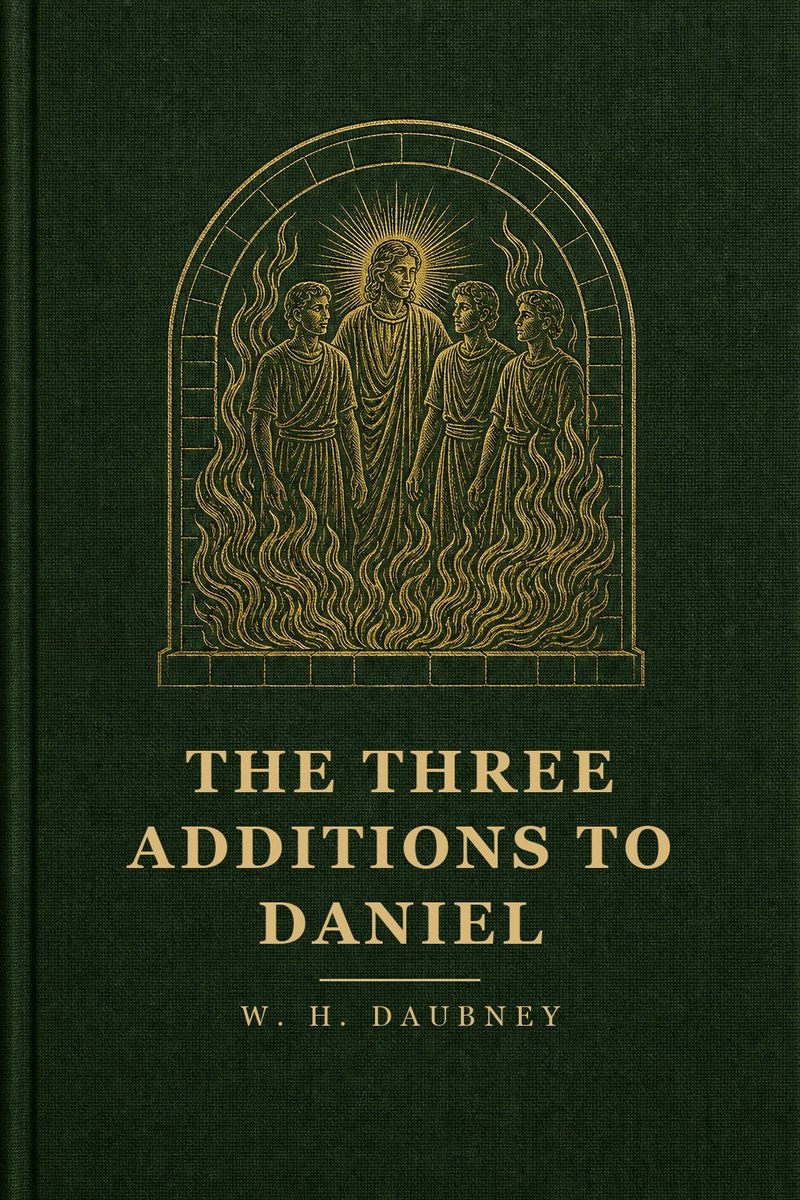
W. H. Daubney's study, published in 1906, of the three additions to Daniel found in the Greek Bible and the Apocrypha: the Prayer of Azariah with the Song of the Three Children, Susanna, and Bel and the Dragon. Daubney examines their contents, language, and place in Jewish and Christian tradition. A focused piece of scholarship on a little-studied corner of the biblical world.

Contents

  1. Preface
  2. The Three Additions to Daniel: A Study
  3. Introduction
  4. Analysis
  5. Title and Position
  6. Date and Place 🔒
  7. For Whom and With What Object Written 🔒
  8. Integrity and State of the Text 🔒
  9. Language and Style 🔒
  10. Religious and Social State. 🔒
  11. Theology 🔒
  12. Chronology 🔒
  13. Canonicity 🔒
  14. Early Christian Literature and Art 🔒
  15. Liturgical Use 🔒
  16. Example of Life and Instruction of Manners 🔒
  17. Part 3: The History of Susanna 🔒
  18. Analysis 🔒
  19. Title and Position 🔒
  20. Date and Place of Writing 🔒
  21. Authorship 🔒
  22. For Whom and With What Object Written. 🔒
  23. Integrity and State of the Text. 🔒
  24. Language and Style. 🔒
  25. Religious and Social State 🔒
  26. Theology 🔒
  27. Chronology 🔒
  28. Canonicity 🔒
  29. Early Christian Literature and Art 🔒
  30. Example of Life and Instruction of Manners 🔒
  31. Analysis 🔒
  32. Title and Position 🔒
  33. Authorship 🔒
  34. Date and Place of Writing 🔒
  35. For Whom and with what Object Written 🔒
  36. Integrity and State of the Text 🔒
  37. Language and Style 🔒
  38. Religious and Social State 🔒
  39. Theology 🔒
  40. Chronology 🔒
  41. Canonicity 🔒
  42. Early Christian Literature and Art 🔒
  43. Example of Life and Instruction of Manners 🔒
  44. By the Same Author 🔒

Reading groups

🌐 Public discussionOpen to every reader of this book

More in Theology

View all